
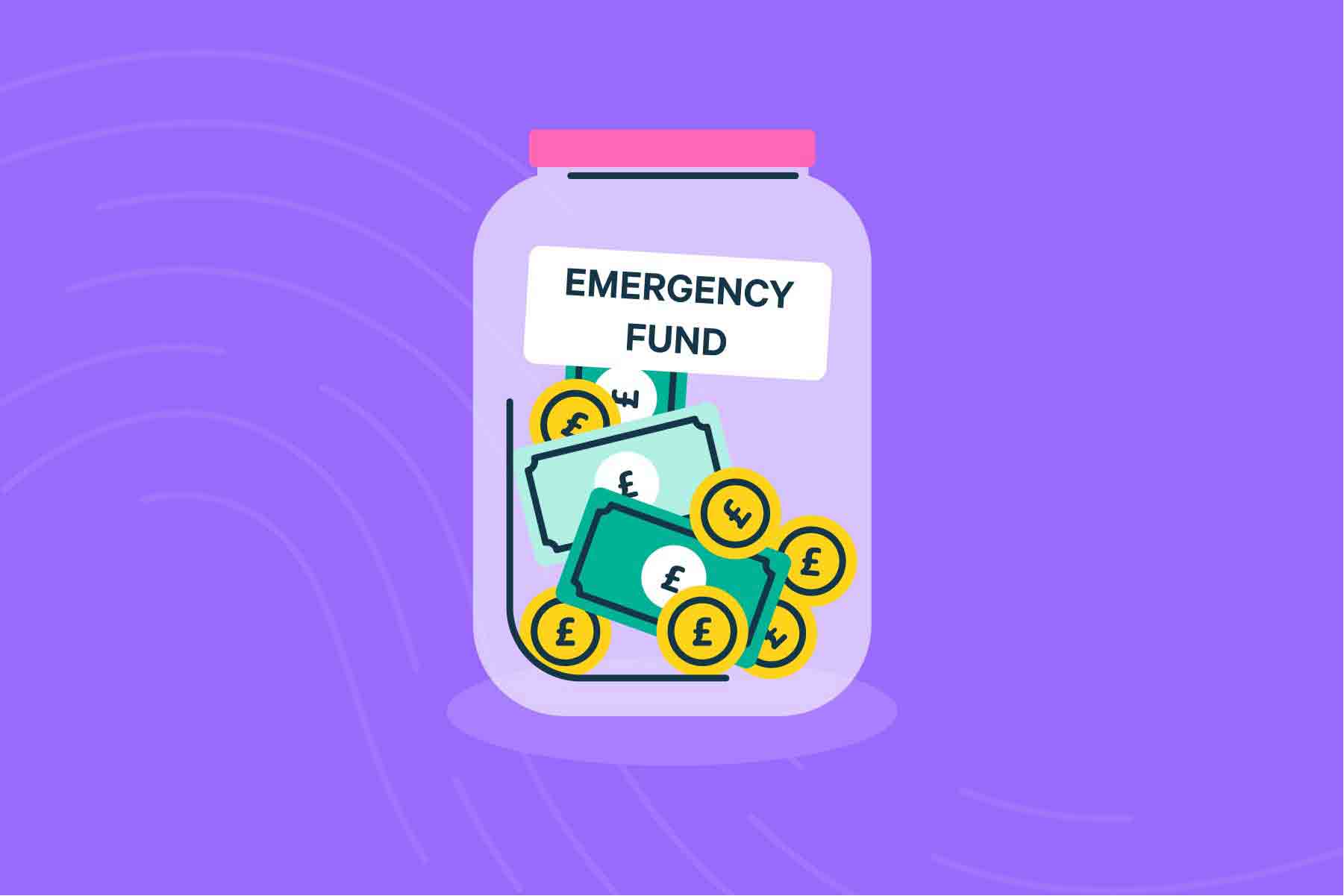
How to increase savings and build an emergency fund? This detailed guide explains saving habits, emergency fund planning, practical strategies, and long-term financial security step by step.
How to Increase Savings and Build an Emergency Fund? (Complete Detailed Guide)
In the previous post, we discussed how to create a household budget and control expenses. Once a budget is in place and spending is under control, the most natural next question is: what should be done with the remaining money? This is where savings and an emergency fund become crucial. How to increase savings is not just about putting money aside; it is about protecting your future and ensuring peace of mind for yourself and your family. In this guide, we will deeply explore how to develop a saving habit and gradually build a strong emergency fund.
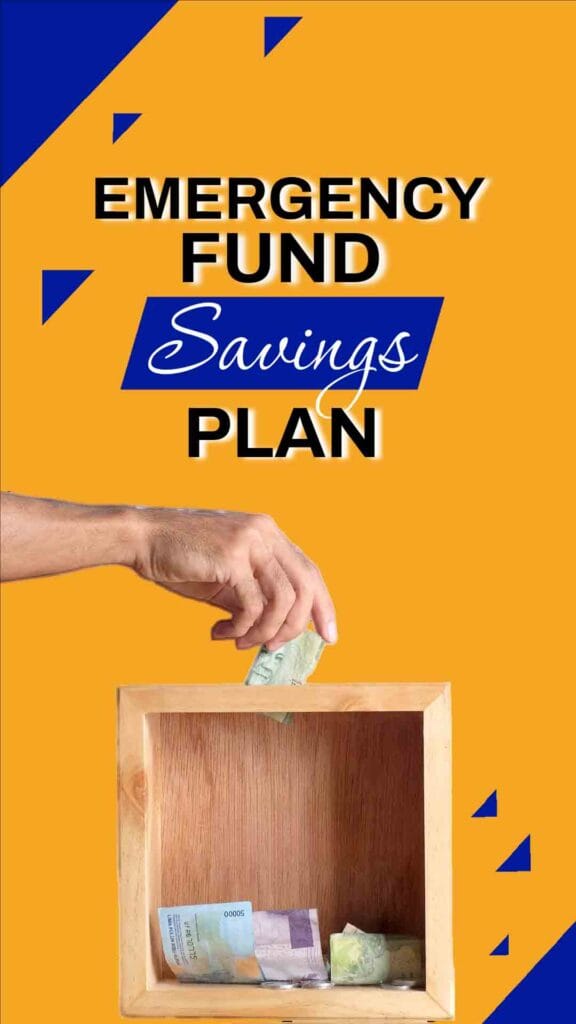
The True Meaning of Savings and Why It Matters
Savings does not simply mean keeping money in a bank account. True savings provide emotional security and act as a shield during difficult times. When you have savings, you can make decisions without fear. Savings prevent you from relying on debt and help you remain financially independent. This is why savings are considered one of the most important pillars of personal finance.
Why Most People Struggle to Save Money
Many people believe they cannot save because their income is low. In reality, the problem is rarely income—it is priorities. Unplanned spending, lifestyle pressure, and ignoring the future are the main reasons savings do not grow. Until saving becomes a priority, no strategy can truly work.
How to Build the Right Mindset for Saving More
To increase savings, the first step is changing your mindset. Savings should not feel like a burden; it should feel like protection. When you understand that savings give you freedom and confidence, saving naturally becomes a habit. Starting small and staying consistent is the key to developing a healthy saving mindset.
Why Savings Should Be the First Part of Your Budget
Many people try to save whatever is left after expenses, which usually fails. The correct approach is to save first and spend later. As soon as income arrives, a portion should be set aside for savings. When savings come first, spending automatically stays within limits, strengthening your financial discipline.
How to Develop a Consistent Saving Habit
Consistency is the backbone of saving. Decide on a fixed amount to save every month, even if it is small. Regular saving may seem slow at first, but over time it creates a powerful financial cushion. The habit of consistency matters far more than the size of the amount.
Bharat ke 50 Swaad | Indian Cooking Ebook for Beginners & Food Lovers
₹599.00 Original price was: ₹599.00.₹49.00
What Is an Emergency Fund and Why Is It Essential?
An emergency fund is money reserved strictly for unexpected situations such as medical emergencies, job loss, or urgent repairs. Without an emergency fund, people are forced to rely on loans or credit cards, which can create long-term financial stress. An emergency fund buys you time and allows you to make thoughtful decisions during crises.
How Much Emergency Fund Should You Have?
A commonly recommended emergency fund covers three to six months of essential expenses. This includes rent, groceries, utilities, and necessary bills. Such a fund can protect you for several months if income is temporarily disrupted.
How to Build an Emergency Fund Step by Step
You do not need to build a large emergency fund all at once. Start by saving a small amount each month specifically for emergencies. Set a short-term target and gradually increase it as your income grows. Over time, this fund becomes your strongest financial safety net.
Difference Between Savings and an Emergency Fund
Many people confuse general savings with an emergency fund. This is a mistake. Savings are meant for future goals and planned expenses, while an emergency fund is reserved only for crises. Understanding this difference ensures that money is used appropriately and not withdrawn impulsively.
Using Digital Tools to Track Savings Effectively
Today, tracking savings has become easier with digital tools. Mobile apps or simple spreadsheets help you monitor progress and identify spending leaks. Tracking keeps you motivated and reinforces discipline by making your financial growth visible.
Common Mistakes People Make While Saving
One common mistake is frequently breaking savings for small desires. Another is setting unrealistic targets and becoming discouraged. Both habits weaken financial stability. Successful saving requires patience, balance, and respect for long-term goals.
The Role of Savings in Long-Term Financial Security
Savings lay the groundwork for long-term financial security. With a strong savings base and emergency fund, you can confidently move toward investments and wealth-building strategies. Savings provide the stability needed to take calculated risks and plan for a secure future.
Conclusion – Savings and Emergency Funds Are Your Financial Shield
Increasing savings and building an emergency fund is the most powerful step toward financial security. After budgeting and expense control, this is the natural next stage in personal finance. When savings are strong, life’s uncertainties become manageable. This post continues directly from the previous one, and in the next post, we will explore how to start investing and choose the right investment options.
FAQs (Frequently Asked Questions)
Q1. What is the minimum amount needed to start saving?
There is no fixed minimum—start with whatever amount is possible.
Q2. Can an emergency fund be built with low income?
Yes, disciplined and consistent saving makes it possible even with low income.
Q3. Where should an emergency fund be kept?
It should be kept where funds are easily accessible when needed.
Q4. Can savings and investing be done simultaneously?
Yes, but building an emergency fund should be the first priority.
Q5. How can I avoid breaking my savings habit?
Set clear goals and use savings strictly for emergencies.